Why fathers are breaking in silence — and why society looks the other way.
The moment a relationship ends, a support system activates for mothers. Friends rally around her. Therapists specialize in her experience. Society understands her pain. Books, podcasts, and programs target her healing.
But fathers? They're told to "man up" and figure it out. And millions of them are breaking because of it.
Anxiety, panic attacks, depression, rage, insomnia, and crippling loneliness. Men experience the same emotional devastation as women during divorce — but without any of the support systems or social permission to express it.
Many fathers suddenly find themselves supporting two households on one income. Child support, alimony, legal fees, and the cost of establishing a new "dad home" can be financially crushing.
Family courts were designed decades ago with assumptions that often still favor mothers as default primary caregivers. Many fathers enter court battles feeling like they're fighting uphill from day one.
The terror of becoming a "weekend dad" or worse — losing custody entirely — keeps many fathers awake at night. This fear drives irrational behavior that often makes custody outcomes worse.
Every text message becomes potential evidence. Every phone call can be recorded. Fathers must learn to communicate in ways that protect them legally while maintaining connection with their children.
Many men build their identity around being a provider and protector of their family. When that family structure dissolves, they lose not just their marriage but their sense of who they are.
Fathers often leave the family home and must quickly establish a new living situation that's suitable for children — while in an emotionally devastated state and with depleted finances.
Men are socialized to not ask for help. When they finally do, they often find that resources are designed for women, or the "men's groups" they find are filled with bitterness rather than healing.
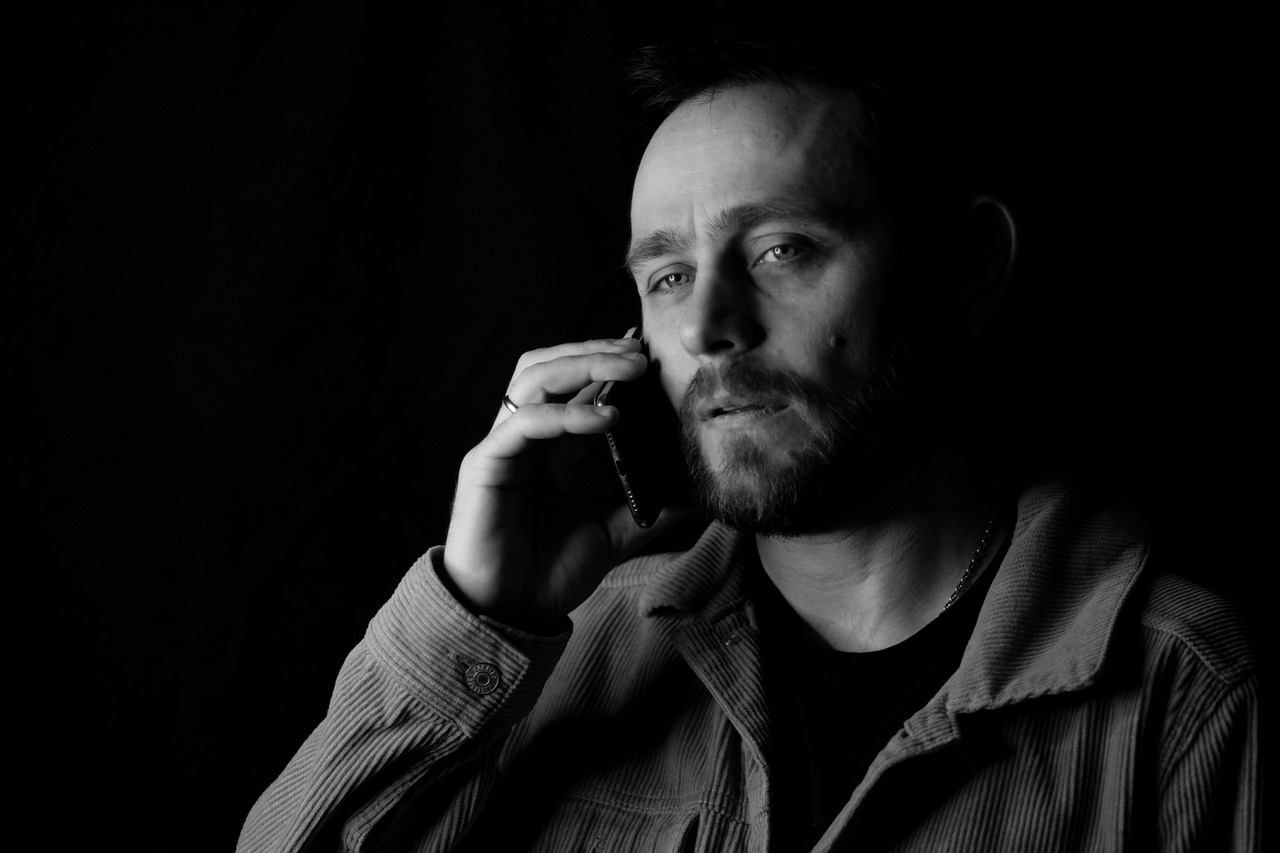
Fatherlessness is connected to nearly every social ill we measure: crime, poverty, drug use, academic failure, mental health issues, and generational trauma. Yet we do almost nothing to support fathers during the moments when they're most likely to disconnect.
Emotional dysregulation leads to angry texts, heated exchanges, and behavior that damages custody cases. Each reactive moment becomes ammunition that can be used against them.
The pain of limited time becomes so unbearable that some fathers pull away entirely. The shame of "not being there enough" transforms into not being there at all.
Stress eating, drinking, neglecting exercise, poor sleep — the physical toll of divorce on fathers is devastating and often ignored. Many develop serious health problems within the first year.
Without proper healing and education, many fathers jump into new relationships and repeat the same dynamics that destroyed the first one. The cycle continues.
When fathers break, children lose. Research consistently shows that children with engaged, present fathers have better outcomes in virtually every area of life. A father in crisis cannot provide what his children need.
Sky Daddy was created specifically to address every challenge fathers face during and after separation. It's the comprehensive support system that should have existed decades ago.
The support you've been looking for exists. Join fathers who've walked this path and found their way through.
 SKY